
When Hope Becomes a Product
Autism, stem cells, and the uniquely American business of selling miracles.

America’s healthcare system is often celebrated for its innovation, world-class research institutions, and cutting-edge medical technologies. Yet it has also produced something far less admirable: a marketplace where hope itself can become a product, particularly for families facing difficult diagnoses and limited support.
Few examples illustrate this more clearly than the growing industry offering stem cell treatments for autistic children. And as a proud parent of an autistic son, this story is particularly galling for me.
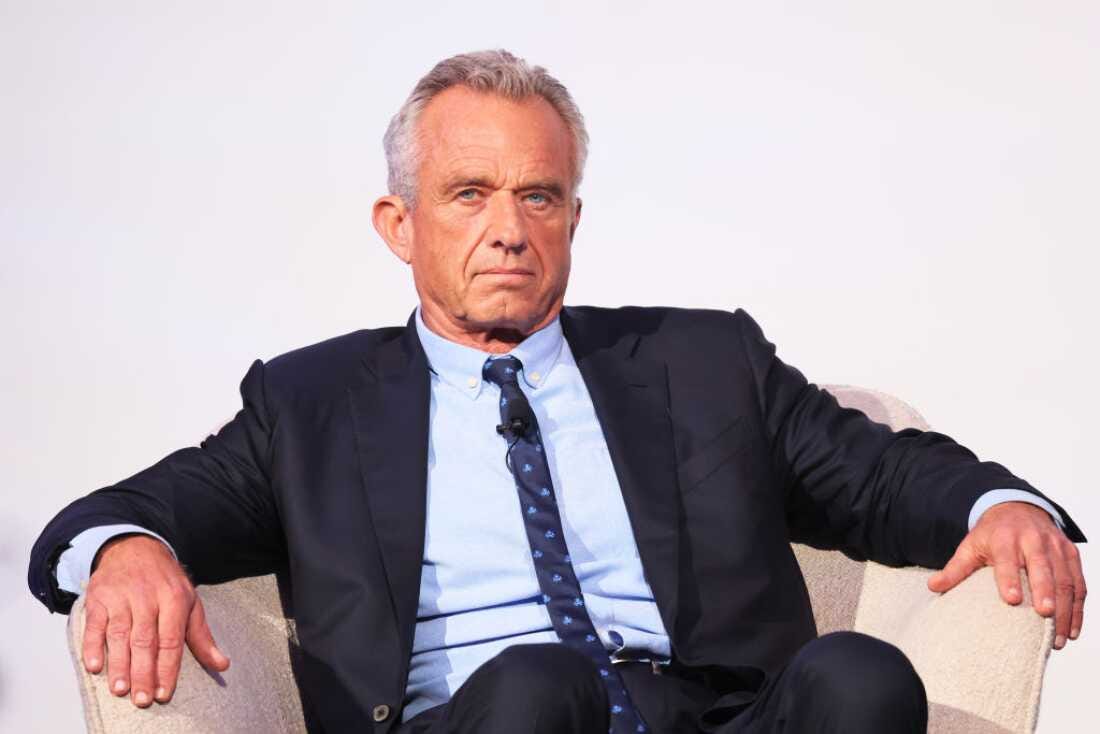
With the support of HHS Secretary and full time conspiracist Robert F. Kennedy Jr, clinics are charging families thousands—sometimes tens of thousands—of dollars for stem cell infusions marketed as a way to improve speech, behavior, social engagement, and developmental outcomes. Parents are told they are accessing revolutionary regenerative medicine that conventional healthcare has overlooked. What they are often not told is that there remains little convincing evidence that these expensive interventions deliver the dramatic results being advertised.
The appeal of such treatments is easy to understand. Parents of autistic children with high support needs often face enormous emotional, financial, and practical challenges. They navigate therapy schedules, school systems, healthcare bureaucracy, and an often-unaccommodating society. Every parent wants their child to have the greatest possible opportunity to communicate, thrive, and live independently. When presented with even the possibility of improvement, many are willing to pursue it.
Keep reading with a 7-day free trial
Subscribe to Anthony Davis' Substack to keep reading this post and get 7 days of free access to the full post archives.