
The Long-Delayed Realization
Why concerns about Trump aren’t new—and what it says about the systems that ignored them.

It’s frustrating to watch mainstream commentary suddenly “discover” concerns about Donald Trump’s fitness for office, as though this is a new development. Analysts now point to aging, possible cognitive decline, or personality traits to explain his behavior, framing it as a recent deterioration. But for many observers—particularly in independent media—these concerns are not new. They have been raised consistently for nearly a decade.
What’s changed is not the fundamental issue, but the severity and visibility of it.
Yes, aging can exacerbate existing tendencies. Anyone in their late seventies will show some level of decline. But focusing solely on that misses the point. The argument that Trump is unfit to lead has never depended on recent changes alone. It has always been about patterns of behavior: an inability to process complex information, a disregard for expertise, a tendency toward impulsive decision-making, and a reliance on inflammatory rhetoric rather than coherent policy.
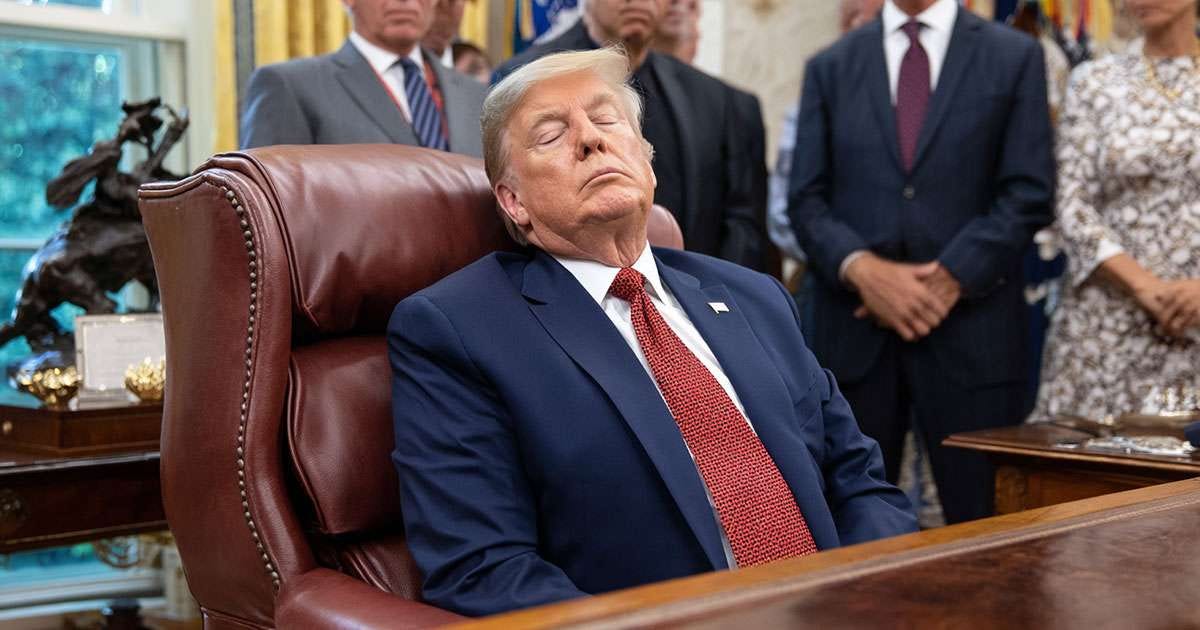
For years, these concerns were dismissed or minimized. Now, as the consequences become harder to ignore, there is a sense of belated recognition—not just among commentators, but within ableist political institutions that once supported him. The realization is not only that Trump may struggle electorally, but that his leadership poses broader risks to the United States itself. Nowadays, Trump is less able to hide the psychological issues that have plagued him for years.
Keep reading with a 7-day free trial
Subscribe to Anthony Davis' Substack to keep reading this post and get 7 days of free access to the full post archives.