
The 21-Hour Farce
How U.S.–Iran Talks Collapsed on Contact with Reality.

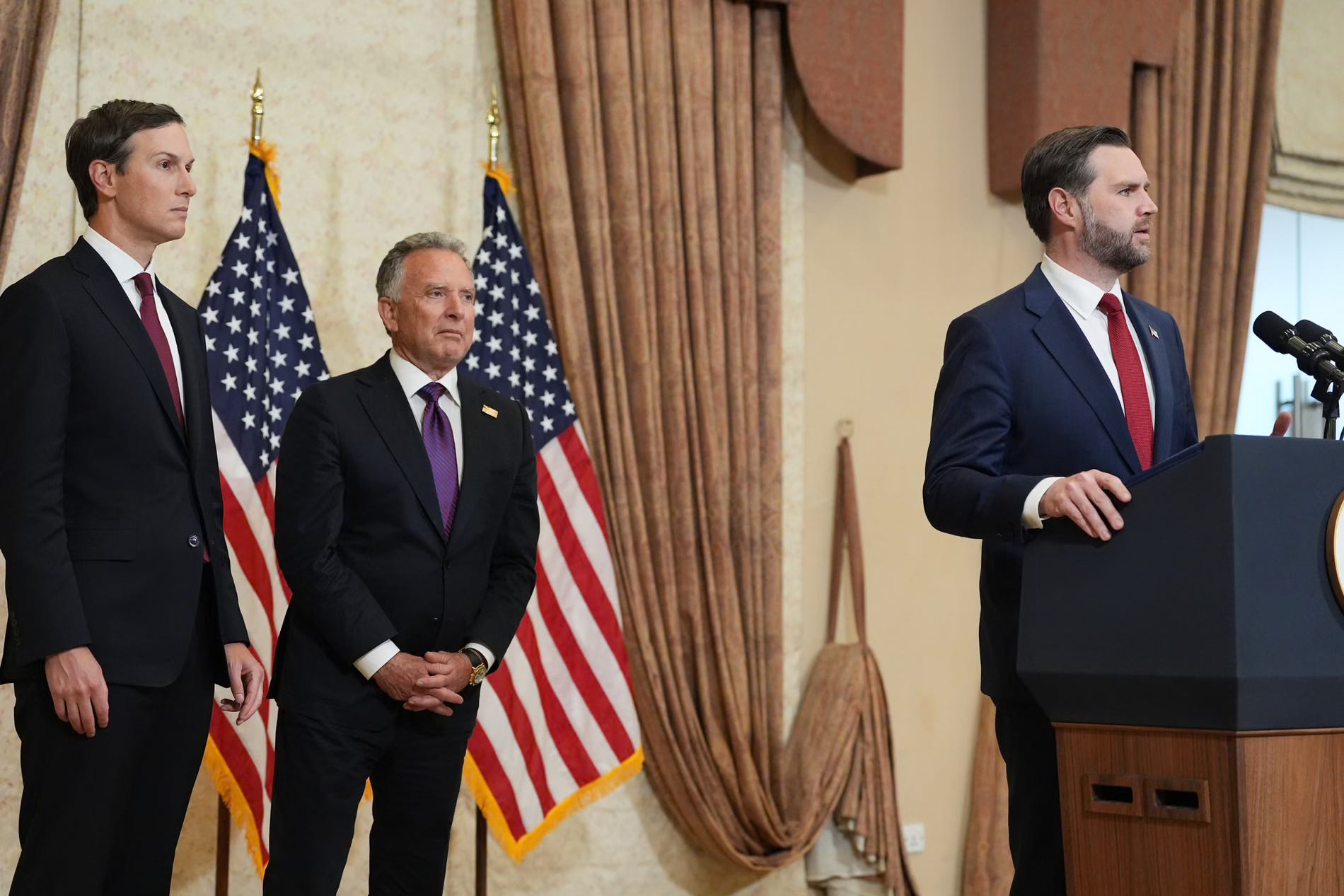
The latest round of U.S.–Iran negotiations didn’t just fail — it collapsed in a way that feels painfully predictable. After 21 hours of what Vice President JD Vance described as “substantive discussions,” the two sides walked away with nothing but hardened positions, recycled talking points, and a widening gulf that diplomacy seems increasingly incapable of bridging. If there was ever a moment when momentum might have tilted toward de-escalation, it evaporated almost as quickly as it appeared.
From the American side, the message has remained stubbornly simple: Iran must commit, unequivocally, to never pursuing a nuclear weapon or even the tools that could make one possible. That demand is treated as a baseline, not a bargaining chip. Vance made that clear in his remarks, framing the U.S. position as reasonable, even minimal. But that framing glosses over a central reality: what Washington considers a “simple” requirement is, from Tehran’s perspective, part of a much larger and more complicated set of grievances and demands.
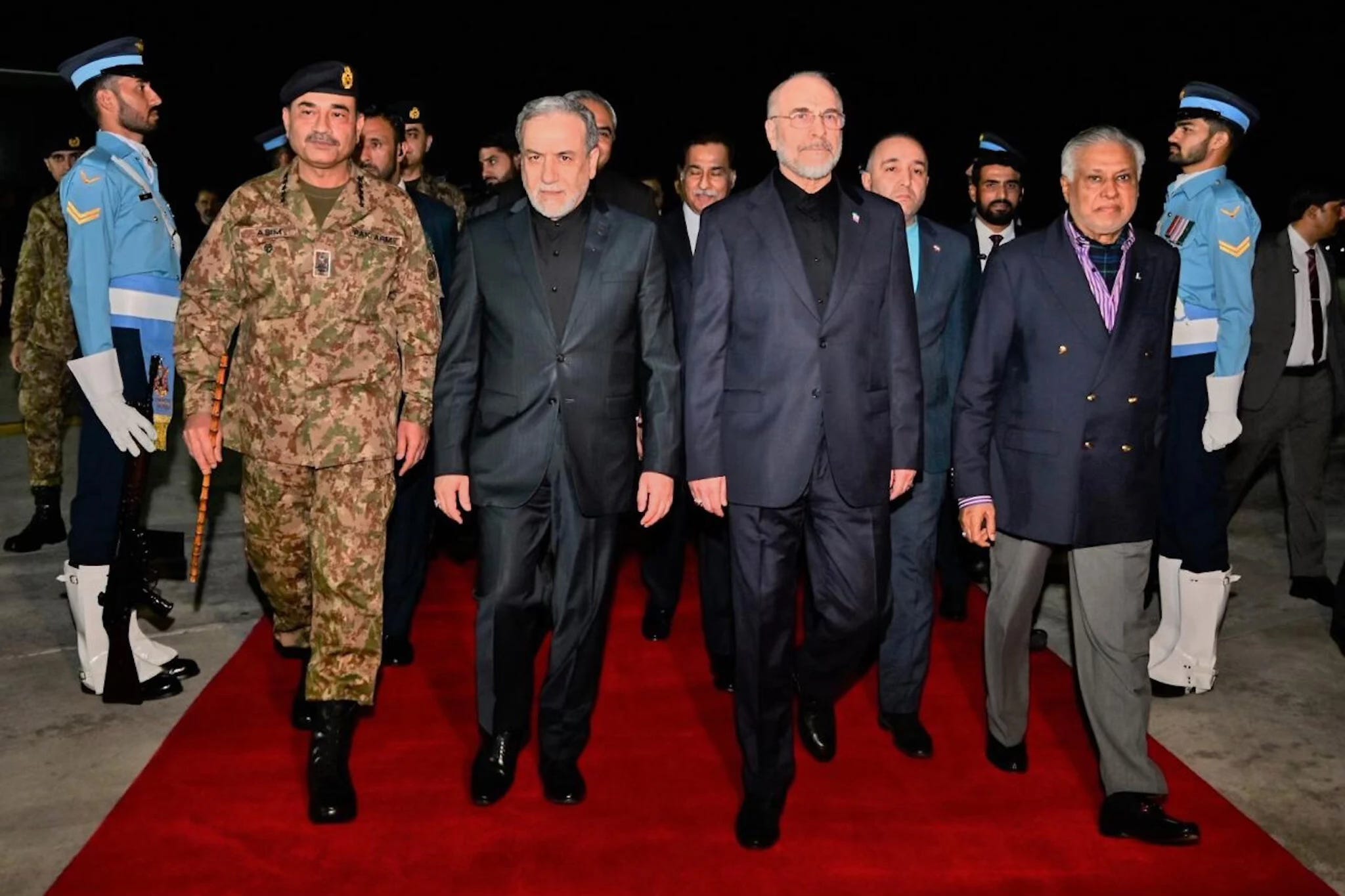
What makes this latest failure particularly striking is how close it briefly appeared to something resembling progress. Early on, there were indications that the U.S. might entertain Iran’s ten-point proposal — a plan that, at least superficially, suggested a possible framework for negotiations. Donald Trump himself initially described it as “workable,” re-posted it, but clearly hadn’t actually read it. Once the proposal was actually scrutinized by the media and paraded as benefitting Iran alone, it was effectively discarded. How embarrassing.
That pivot — from cautious interest to outright rejection — tells you everything you need to know about the current state of American diplomacy. The willingness to “engage” exists mostly as a rhetorical gesture. The moment engagement requires concessions, or even serious consideration of the other side’s priorities, it disappears. What remains is a rigid insistence that the other party align with U.S. demands or face the consequences of annihilation.
Iran’s proposal, for its part, was never going to be an easy sell to anyone but the illiterate dealmaker Trump. It reportedly included sweeping conditions: a permanent end to hostilities, guarantees against future attacks, the lifting of sanctions, financial compensation for war damage, and the withdrawal of U.S. forces from the region. From an American standpoint, these demands read less like negotiation points and more like a wish list drafted in an alternate universe where leverage runs in the opposite direction.
But dismissing them outright also reveals a deeper problem. The two sides are not negotiating within the same conceptual framework. The United States is focused narrowly on nuclear non-proliferation. Iran is negotiating from a position shaped by economic survival, regional security, and a long history of external pressure. When one side treats its priority as the only legitimate issue, compromise becomes almost impossible.
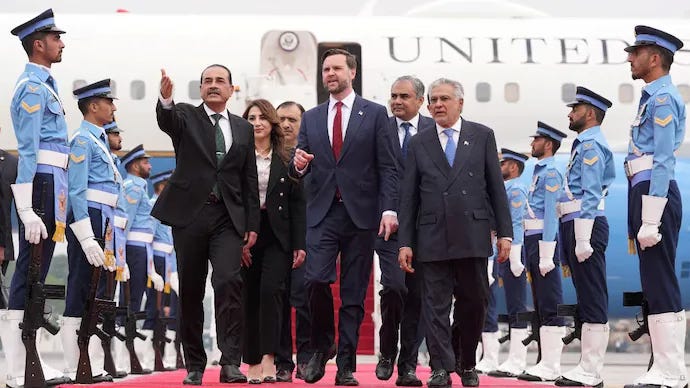
The broader context doesn’t help. These talks took place against the backdrop of an ongoing conflict that has already claimed thousands of lives and destabilized multiple countries. A fragile two-week ceasefire provided the diplomatic opening, but it was never more than a temporary pause in a much larger and more volatile situation. Even as negotiators met, military activity continued, tensions simmered, and mutual distrust remained firmly intact.
That distrust is not incidental — it is the defining feature of the relationship. Decades of hostility have produced a dynamic where every gesture is viewed with suspicion and every proposal is assumed to conceal ulterior motives. Under those conditions, even good-faith negotiations are easily derailed. And if those negotiations are not genuinely good-faith — if they are conducted primarily for optics or domestic political consumption — then failure is almost guaranteed.
The composition of the negotiating teams adds another layer of complexity. On the American side, the process is being led by figures who are deeply embedded in a broader strategy of pressure, deterrence and real estate. On the Iranian side, the negotiators are operating within a system that rewards resistance and punishes perceived weakness. Neither side has much political incentive to be seen as conceding ground, especially in a high-stakes environment where perception often matters as much as substance.
Meanwhile, the economic and geopolitical stakes continue to rise. Iran’s economy remains under severe strain, exacerbated by sanctions and disruptions to its energy exports. The United States, for its part, is navigating a complex regional landscape where alliances, rivalries, and ongoing conflicts intersect in unpredictable ways. In theory, these pressures should create incentives for compromise. In practice, they often push both sides further into entrenched positions.
What’s left after the breakdown is a familiar and discouraging picture. Lower-level technical discussions may continue, providing the illusion of ongoing engagement. Statements will be issued emphasizing openness to future talks. But without a fundamental shift in approach — without a willingness to acknowledge the legitimacy of the other side’s concerns and to negotiate beyond rigid talking points — those efforts are unlikely to produce meaningful results.
The collapse of these talks isn’t just a missed opportunity. It’s a reminder of how narrow the path to diplomacy has become. Even when conditions appear favorable — a ceasefire in place, direct communication channels open, negotiators at the table — the underlying dynamics remain unchanged. Mistrust, misaligned priorities, and political constraints continue to overpower any tentative moves toward resolution.
At this point, it’s difficult to view these negotiations as anything more than a recurring cycle. Talks begin with cautious optimism, proceed through predictable disagreements, and end in stalemate. Each iteration reinforces the same conclusion: the problem is not a lack of dialogue, but the absence of a shared framework. America and Israel don’t respect the Iranians and want them to concede. The Iranians are dug in, spiritually, culturally and geographically.
Ultimately Trump is now negotiating to put the Gulf back to where it was before he attacked Iran. And even more ironically, he seeks to take all the glory for it too.
How do we (or "the powers that be") nominate you for awards in journalism? Your writing, Anthony, is beyond outstanding in every way. It is not just one Substack article that stands out. Each and every article you write is journalistic ambrosia.
Sad, but predictable. All the US has done is strengthen Iran. Not ony do they now have greater control of the Strait of Hormuz and greater ability to influence international affairs, they also have justification for nuclear weapons, ie having been attacked twice now by Israel/US, they will use that as justification for nuclear weapons to defend themselves. Unbelievable stupidity on the part of Israel/US.