
Power Without Perspective
Donald Trump and the Insulated Rule of Authoritarian Leaders.

Throughout modern history, certain authoritarian leaders have shared a common trait: an ability—or willingness—to operate inside a self-constructed political reality in which brutality is rationalized and criticism is dismissed as illegitimate. Figures such as Saddam Hussein and Bashar al-Assad governed for years within such insulated systems. Their decisions were shaped not only by ideology and power but by a profound detachment from how the outside world perceived the human consequences of their actions. Critics increasingly argue that the political style of Donald Trump reflects troubling parallels with this pattern of insulated leadership.
The comparison is not about identical systems of government, but about leadership behavior. Authoritarian rulers often surround themselves with loyalists, restrict access to critical voices, and frame harsh policies as necessary acts of strength. Over time, this insularity can produce a political environment in which human suffering becomes abstract or politically irrelevant.
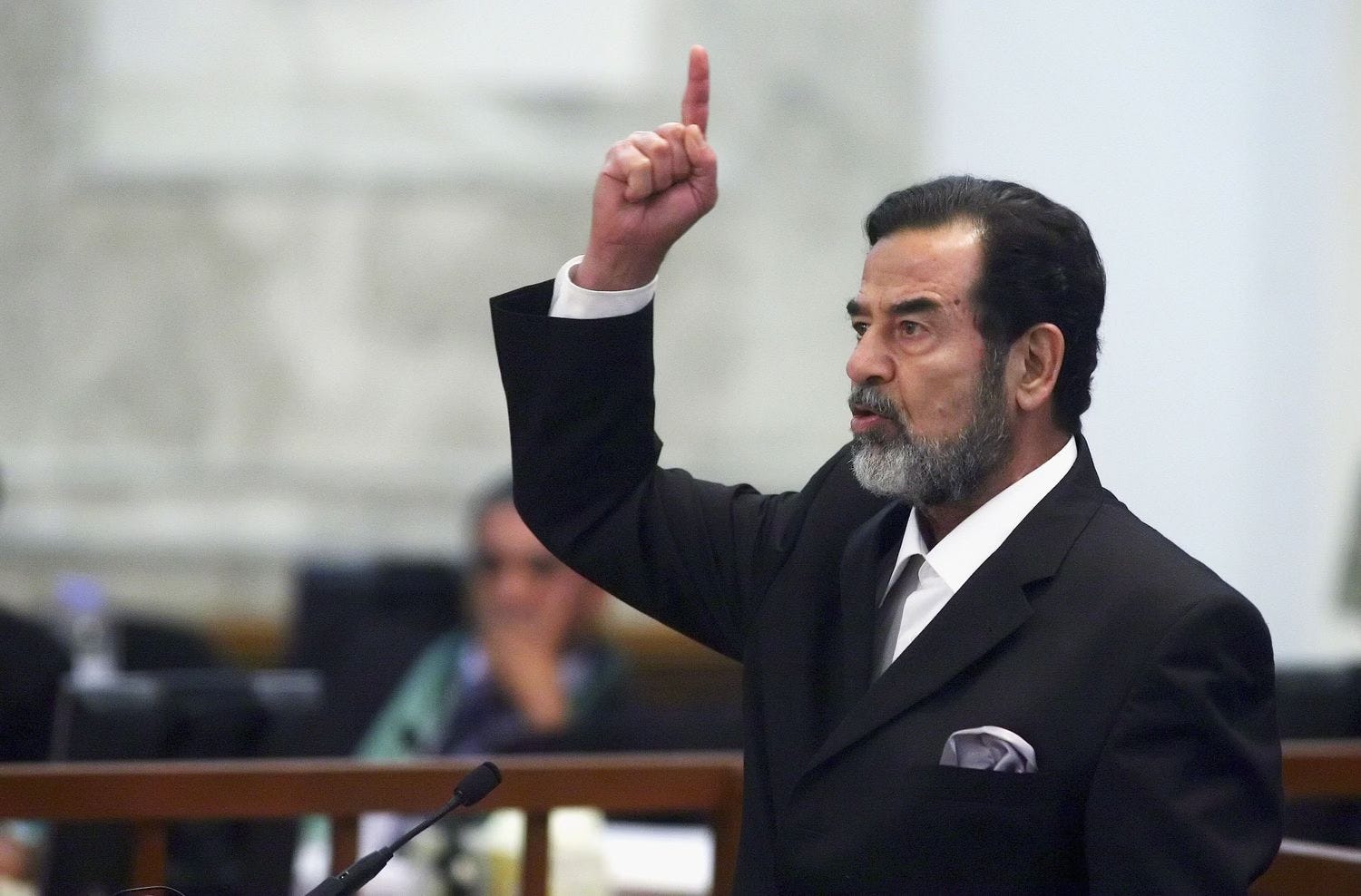
Saddam Hussein’s Iraq provided a stark example of this dynamic. During his rule, Saddam built an information bubble in which dissent rarely reached him. Brutal crackdowns against perceived enemies—including chemical attacks against Kurdish civilians and violent suppression of political opponents—were justified internally as essential to protecting the state. Outside observers viewed these actions as crimes against humanity, yet within Saddam’s own political framework they were portrayed as necessary and even heroic.
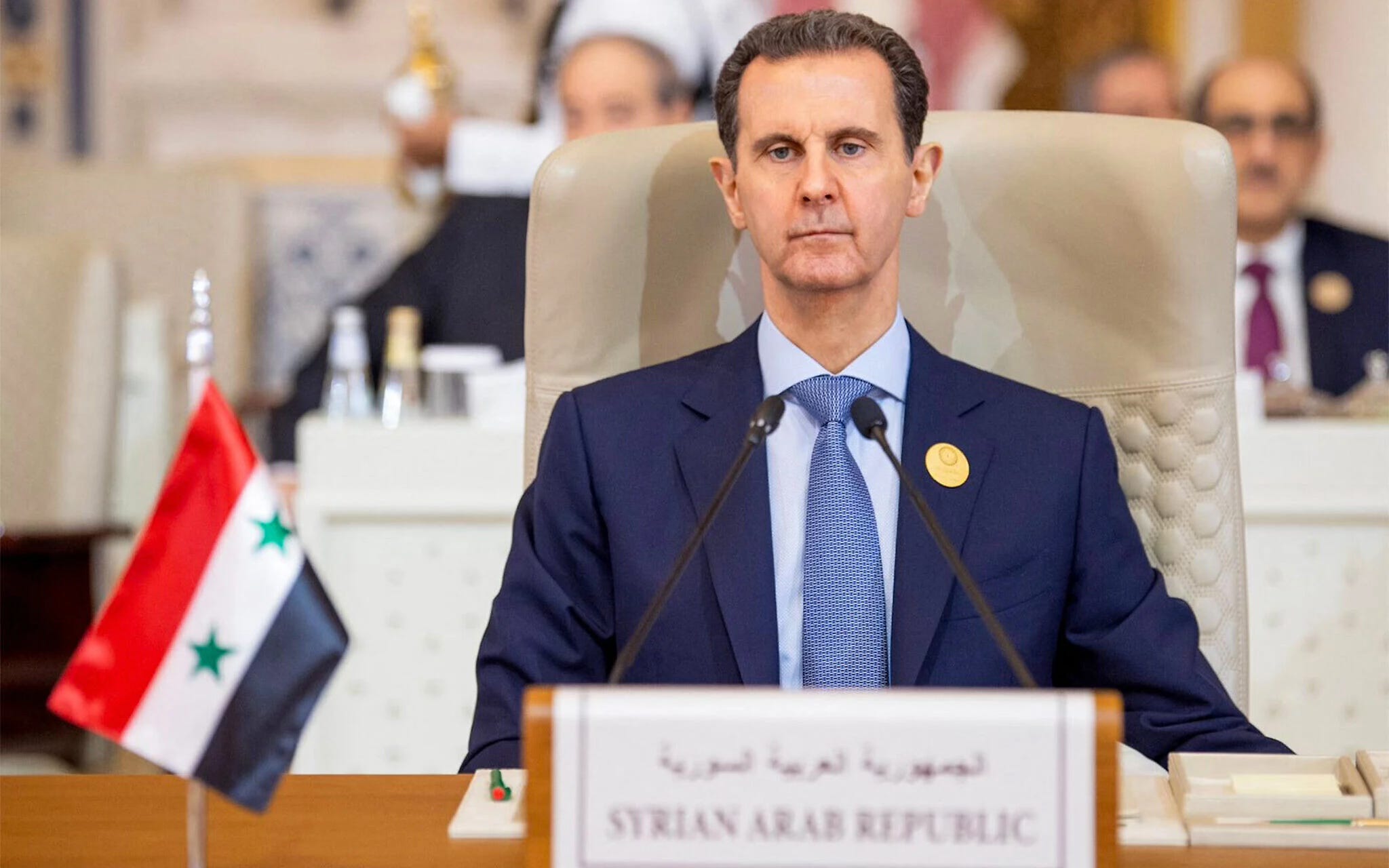
A similar pattern emerged in Syria under Bashar al-Assad. During the Syrian civil war, the Assad government repeatedly defended military operations that devastated civilian areas. Bombardments of hospitals, neighborhoods, and schools were framed as counterterrorism measures. International outrage had little visible impact on the government’s rhetoric, which continued to present such actions as legitimate defense of national stability.
Echoes of this mindset are present in aspects of Donald Trump’s leadership style. One frequently cited example is his relationship with the media. Trump has long preferred interviews with sympathetic outlets or reporters he expects will treat him favorably, while dismissing critical journalists as biased or hostile. By narrowing the range of voices that can question him directly, he creates a feedback loop more common in authoritarian systems than in democratic leadership.
This communication style matters because it shapes how controversial policies are discussed—or avoided. One area where critics say this pattern is visible is immigration enforcement. Under Trump’s administration, the powers of U.S. immigration authorities were expanded dramatically, particularly through the activities of U.S. Immigration and Customs Enforcement (ICE). Human rights groups have documented numerous allegations of abuse during immigration raids and detentions, including excessive force, unlawful arrests, deaths in custody and even cold blooded murder.
These incidents form part of a broader argument that the government is enabling the systematic targeting of immigrant communities as a form of ethnic cleansing within the United States. Regardless of the terminology used, the underlying concern is that enforcement policies have expanded in ways that produce significant human suffering without visible acknowledgment from national leadership, and clearly compromise the civil and human rights of it’s victims.
The same critique has intensified following the recent escalation of conflict between the United States and Iran. Amongst other thinly veiled excuses the Trump regime justified the military campaign as necessary to weaken Iran’s nuclear and missile capabilities. Yet the war has already produced devastating civilian consequences.
One of the most controversial incidents was a missile strike on a girls’ school in the Iranian city of Minab that reportedly killed around 170 people, many of them children. Investigations by journalists and international observers have suggested that the strike was carried out by U.S. forces, though the exact circumstances remain unknown. What has drawn particular criticism is the administration’s response: the president has expressed little public remorse for the victims, instead focusing almost exclusively on the strategic objectives of the military campaign. ‘Some people will die’ he said.
For critics, this reaction reflects the same psychological detachment that characterized authoritarian leaders of the past. In Iraq, Saddam Hussein rarely acknowledged civilian casualties resulting from his government’s actions. In Syria, Bashar al-Assad similarly dismissed international outrage over attacks that killed civilians. The pattern is not simply brutality itself but the absence of empathy for those affected.
Political rhetoric surrounding the Iran conflict has also raised concerns about dehumanization. During a discussion within conservative political circles, a prominent figure associated with the Conservative Political Action Conference suggested that Iranian schoolgirls killed in the strike were “better dead than in a burqa.” Such comments reinforce fears among critics that racial or cultural prejudice is shaping the discourse around the war.
The willingness of some political allies to minimize the value of civilian deaths echoes a pattern often seen in authoritarian environments, where loyalty to leadership overrides moral scrutiny. In such contexts, violence against perceived enemies becomes easier to justify when those enemies are portrayed as culturally inferior or ideologically irredeemable.
We are led to believe that US elections, an independent judiciary, and a free press still function in ways that did not exist under Saddam Hussein or Bashar al-Assad. But those democratic strongholds and guardrails have mostly been diluted to the point of dysfunction under this regime.
Trump sees himself proudly as a dictator. Which begs deeper questions about leadership psychology. When a leader dismisses criticism, limits engagement with challenging voices, and shows little concern for the human consequences of policy decisions, critics inevitably draw parallels with historical figures who governed in similar ways.
The danger of such leadership styles is not only the policies themselves but the narrowing of moral perspective that accompanies them. When leaders become insulated from criticism and convinced of their own righteousness, it becomes easier to justify actions that the broader world sees as inhumane. And the stakes will keep rising.
History shows that this detachment can have devastating consequences. Whether those lessons are being repeated, replicated or merely echoed in political rhetoric—remains one of the central debates surrounding Donald Trump’s presidency and the conflicts unfolding under his watch.
Trump now has a taste for regime change. And Cuba is next on his wishlist.
Iranian schoolgirls are ‘better dead than in a burqa’ - is dehumanisation in action, right? What an utterly vile, misogynistic and ignorant statement to make about hundreds of innocent, civilian school girls murdered and maimed by the American military under dictator Trump’s orders. Conservative leaders that talk like that aren’t just insulated; their cruel twisted minds are divorced from the feelings that make the rest of us caring, moral, human beings. They are revelling in the pain they cause others while calling it ‘in the interests of national security’. What possible hope is there with sadists like this in charge? One thing is certain - voting against them will not be enough to get rid of them.
He's getting worse every day.